7 Ways an Experienced User Handles a Desentupidora Zona Sul Emergency Differently
It is 11 p.m. on a Saturday in Moema, and the kitchen sink has started backing up with gray water that smells like the building’s main line. A first-time homeowner grabs a bottle of chemical drain opener. An experienced user puts the bottle down, checks whether the neighboring units have the same problem, and calls a desentupidora Zona Sul before the water reaches the baseboards. The difference is not luck. It is a set of habits built from a few bad experiences.
This article is written for someone who has already dealt with a clogged drain or a backed-up floor drain and wants to stop repeating the same mistakes. Below are seven concrete shifts in behavior, from the first five minutes of an emergency to the paperwork you keep afterward. If you are still learning the basics, treat this as a shortcut to the mindset that saves money and avoids damage.
1. They Diagnose the Scope Before They Call Anyone
The first question an experienced user asks is not “who do I call?” but “how far does this go?” A single slow drain in one bathroom is usually a local blockage. Water rising in the shower, the toilet, and the laundry sink at the same time points to a shared branch line or the building’s main stack. That distinction changes who you call, what you say, and how much you should expect to pay.
In the Zona Sul, the answer often depends on the building. Older stock in neighborhoods like Vila Mariana and Saúde may still have cast-iron or clay pipes with root intrusion, while newer towers in Vila Olímpia and Brooklin tend to have PVC lines with grease or debris problems. An experienced user checks whether the issue is inside the apartment, in a vertical riser, or in the street connection before dialing. That single check prevents the classic mistake of paying for a private unclogging when the real fault is in the condominium’s common area.
They also note the water color and smell. Clear water backing up is often soap or condensate; dark, foul water suggests sewage. Smell and color are free diagnostic clues, and they help the technician arrive with the right equipment instead of guessing.
2. They Know Which Tools to Use and Which to Avoid
Beginners reach for whatever is under the sink. Experienced users have a short list of tools that actually work and a longer list of things that cause damage. A plunger and a hand auger handle simple sink and toilet clogs. A drain snake is useful for a short horizontal run. Anything beyond that is a job for professional equipment, because the wrong tool can crack a trap, scratch a PVC liner, or push a blockage deeper into the main line.
Chemical drain cleaners deserve special caution. They generate heat, can damage older pipes, and create a hazardous situation for the technician who arrives afterward. If you have already poured a caustic product down the drain, say so when you call. Never mix chemical cleaners, and never use them in a line that is fully blocked, because the liquid has nowhere to go and can back up into the fixture.
An experienced user also knows when to stop. If the water is rising rather than draining, if multiple fixtures are affected, or if there is any sign of sewage on the floor, the correct move is to shut off the water supply to the affected fixtures and call a professional. The cost of a service visit is almost always lower than the cost of water damage remediation.
3. They Prepare the Access and the Information Before the Team Arrives
When you call a desentupidora Zona Sul São Paulo SP, the quality of the call matters. Experienced users give the address with a reference point, the floor and unit number, whether there is an elevator, and where the cleanout or inspection box is located. They also mention any prior work, such as a recent renovation or a previous unclogging in the same line. That history helps the technician choose between a manual auger, a rotating cable machine, or hydrojetting.
They also clear the path. Moving boxes away from the service sink, unlocking the utility closet, and making sure someone is home to open the door saves twenty minutes and sometimes an extra trip. If the building has a concierge or a maintenance manager, they inform that person in advance so the team is not stopped at the entrance.
Finally, they ask two questions on the phone: what the call-out fee covers and whether the price includes the unclogging itself or only the inspection. Getting that answer before the truck arrives avoids the awkward conversation that beginners have at the end of the job.
4. They Understand the Difference Between Unclogging and Cleaning
This is the single biggest gap between a beginner and an experienced user. Unclogging restores flow. Cleaning removes the buildup that caused the clog in the first place. A drain that has been unclogged three times in a year is not unlucky; it is dirty. Grease, soap scum, and scale coat the pipe walls, narrowing the passage until a small obstruction closes it completely.
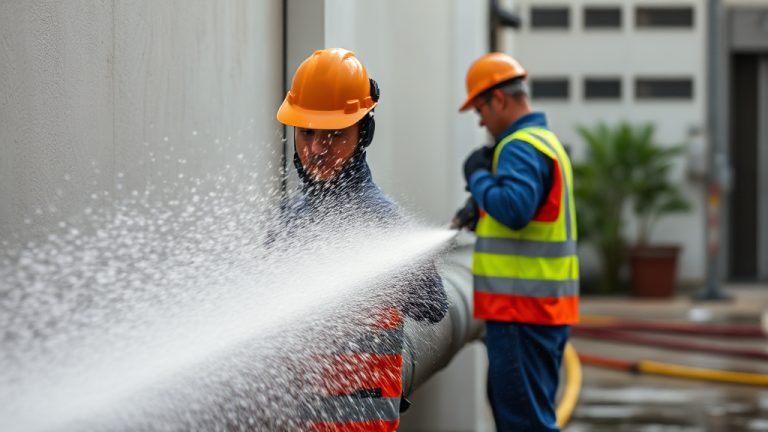
Hydrojetting is the standard answer for this pattern. A high-pressure jet of water scours the full circumference of the pipe and flushes the debris downstream. It is not the right tool for every situation, especially fragile or heavily damaged lines, which is why an inspection camera often comes first. But for a restaurant kitchen line or a condominium’s horizontal branch, it is the difference between a temporary fix and a real solution.
Experienced users ask for the camera inspection when the problem recurs. Seeing the inside of the pipe turns a guess into a plan: root cutting, pipe relining, or a simple maintenance schedule. Recurring clogs are a symptom, not a diagnosis.
5. They Compare Quotes on Scope, Not Just Price
Two quotes for the same clog can differ by a factor of three, and the cheapest one is not always the worst deal. The question is what is included. A low quote may cover only a manual attempt, with an hourly rate that starts once the technician is on site. A higher quote may include the call-out, the equipment, the unclogging, and a basic cleaning of the area afterward.
| What to check | Why it matters |
|---|---|
| Call-out fee included? | Avoids a surprise charge before work begins |
| Equipment listed? | Shows whether hydrojetting or camera inspection is covered |
| Warranty on the service | Protects you if the same line clogs again soon |
| Emergency vs. scheduled rate | Night and weekend visits often cost more |
An experienced user also asks whether the company serves the specific neighborhood and whether it has a team on call at night. A desentupidora em Zona Sul São Paulo SP that already operates in the area will usually arrive faster and know the building stock. That local knowledge is worth more than a small difference in the hourly rate.
6. They Use Preventive Maintenance to Avoid the Next Emergency
The most experienced users treat a clog as a warning, not an isolated event. After the emergency is resolved, they schedule a follow-up. For a house, that might mean an annual inspection of the main line and a monthly flush of the floor drains with hot water. For a condominium, it means a preventive program for the common areas: grease trap cleaning, hydrojetting of horizontal branches, and camera inspection of the main line every year or two.
They also change daily habits. A drain strainer in the kitchen sink, no coffee grounds or rice down the drain, and a lint trap on the washing machine discharge line prevent most of the blockages that lead to weekend calls. In older buildings, they pay attention to tree roots. A slow drain near a courtyard or a sidewalk tree is often a root problem, and it will return every season until the line is cut and, if necessary, relined.
Preventive work is also cheaper. A scheduled hydrojetting visit costs a fraction of an emergency call at midnight, and it does not disrupt neighbors. Maintenance is the cheapest form of emergency service.
7. They Keep Records and Know When to Escalate
After the service, an experienced user keeps the invoice, the technician’s name, the date, and a short note on what was done. If the same line fails again within a few weeks, that record is the basis for a warranty claim and for a more serious conversation about the pipe’s condition. It also helps the next technician, who can see the history instead of starting from zero.
They also know when to escalate beyond a simple unclogging. Repeated backups, sewage odors in the garage, or water pooling near the building’s foundation suggest a problem with the main line or the septic system, not a single fixture. At that point, the right call is an inspection with a camera and, if needed, a repair plan. Ignoring those signs is how a small blockage becomes a flooded lobby.
Finally, they share what they learn. In a condominium, a short note to the building manager about the cause and the recommended maintenance prevents the same problem from hitting the next unit. That habit turns one person’s experience into the whole building’s protection.
Frequently Asked Questions
How quickly can a desentupidora arrive in the Zona Sul at night?
Response time depends on traffic, the specific neighborhood, and whether the company has a team already in the area. Emergency services typically aim to arrive within a short window, but you should confirm the estimated time when you call and mention any access restrictions in your building.
Is hydrojetting always better than a manual auger?
No. Hydrojetting cleans the pipe walls and is ideal for grease and scale, but it is not suitable for fragile or damaged lines. A manual auger or a rotating cable is often the right first step, and a camera inspection decides whether hydrojetting is safe.
Can I use chemical drain cleaner before the technician arrives?
It is better to avoid it. Chemical cleaners can damage pipes and create a hazard for the technician. If you have already used one, tell the company when you call so the team can take the right precautions.
Who is responsible for a clog in a condominium’s common line?
Responsibility usually depends on where the blockage is located and on the building’s convention. A clog inside your unit is typically your responsibility, while a blockage in the shared riser or main line falls to the condominium. An inspection helps establish the location before anyone commits to a repair.
What to Do in the Next Ten Minutes
If you are facing a backup right now, stop pouring chemicals, shut off the water to the affected fixtures, and check whether other drains are affected. Then call a professional and describe the scope, the address, and any prior work on the line. The habits above are not complicated, but they are the difference between a quick fix and a recurring problem. Start with the first one tonight, and build the rest over time.
About the Author