What Happens When You Call a Desentupidora in Vila Curuçá?
It’s 11:40 p.m. on a Saturday in Vila Curuçá, and the kitchen sink has stopped draining completely. The water sits there, greasy and still, while the washing machine hums downstairs. You grab your phone and search for a desentupidora Vila Curuçá — and within a minute you’re on a call with someone who has handled this exact situation hundreds of times.
I work as a support technician for a São Paulo emergency plumbing company, and I take these tickets every shift. This is what actually happens from the moment you call to the moment the water goes down — the timing, the tools, the cost, and the small decisions that separate a quick fix from a repeat visit.
The first ten minutes: what the dispatcher asks and why
When you call a desentupidora Vila Curuçá São Paulo SP, the first voice you hear is not the technician — it’s the dispatcher. They ask three things in a fixed order: what is blocked (sink, toilet, floor drain, main line), how long it has been blocked, and whether water is backing up somewhere else in the property.
That last question matters more than most callers realize. If the toilet gurgles when you run the bathroom sink, the blockage is probably in the shared branch line, not the fixture. If water rises in the shower when you flush, the problem is downstream and the technician needs a different machine.
Why the address matters before the visit
Vila Curuçá sits in the eastern zone of São Paulo, and the streets around the Avenida São Miguel corridor have a mix of old clay tile laterals and newer PVC. The dispatcher uses your street to predict which equipment the crew will need — a hand auger for a single fixture, or a motorized snake for a main line. Getting this right on the call saves a second trip.
The dispatcher also confirms whether you are the owner or a tenant, because some condominiums require a signed work order before any equipment enters the building. That is a five-minute detail that can otherwise stall the crew at the gate.
What the technician actually does when they arrive
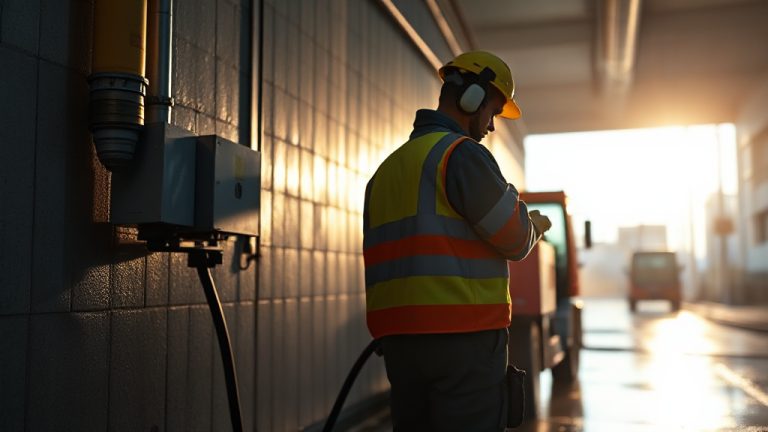
By the time the van pulls up, the crew already knows the likely cause. The technician starts with a visual inspection: they lift the drain cover, check the water level, and look for grease or soap residue around the rim. In Vila Curuçá, the most common cause I see on residential tickets is kitchen grease combined with food scraps, followed closely by hair and soap scum in bathroom drains.
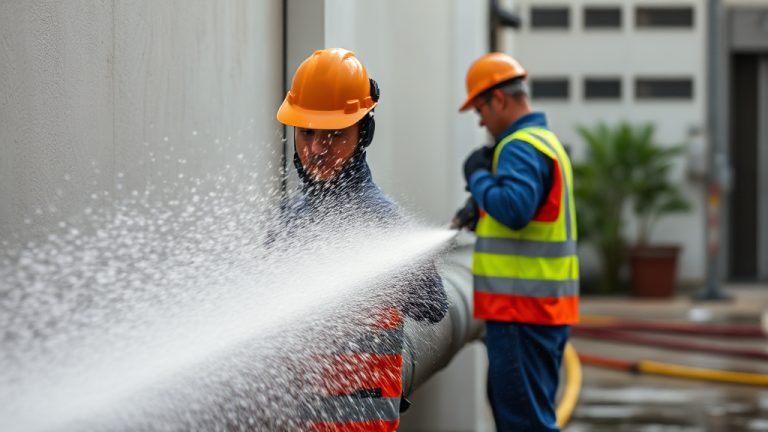
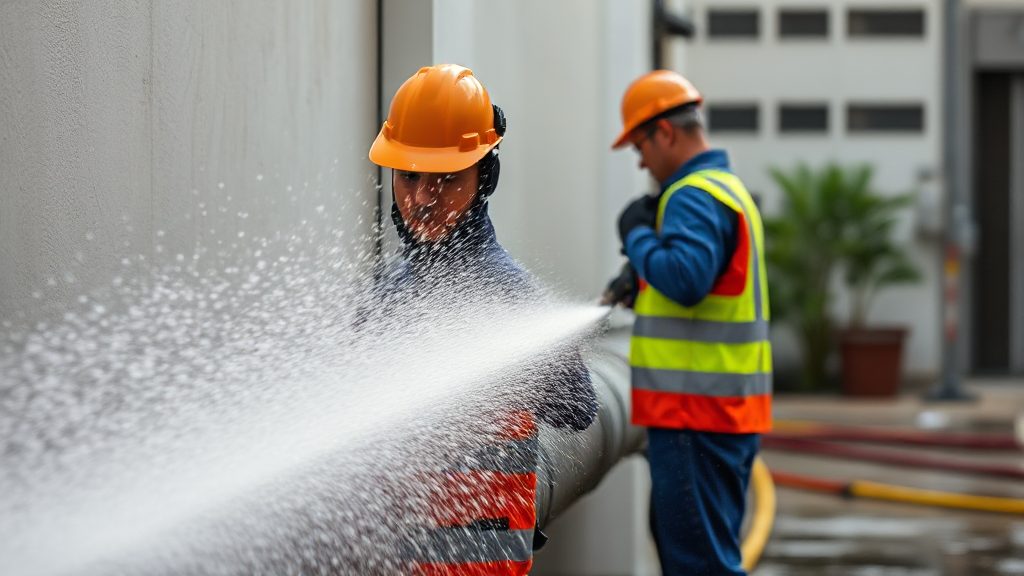
Then comes the tool choice, and this is where experience shows. A plunger or hand auger handles a fixture trap. A motorized drain snake is used when the blockage is more than a meter down the line. For main lines and grease-heavy laterals, the crew brings a hydro-jetting unit that blasts water at high pressure to scour the pipe walls rather than just punch a hole through the clog.
How long the job usually takes
A simple sink or shower unclog in an apartment runs 30 to 45 minutes on site. A main-line blockage in a house with a backyard cleanout takes one to two hours. If the crew has to hydro-jet a restaurant grease line, expect two to three hours plus a follow-up inspection.
The technician should show you the debris they pull out — grease, roots, or a wad of wipes. That evidence tells you whether the problem is a one-off or a pattern, and it is the difference between a fix and a recurring ticket.
Comparing the three service levels you’ll be offered
Most companies in this market offer three tiers, and the differences are not just price. The table below reflects what we actually dispatch for each tier.
| Service level | Typical equipment | Best for | Time on site |
|---|---|---|---|
| Basic unclog | Hand auger, plunger, manual snake | Single fixture: sink, shower, toilet | 30–45 min |
| Main-line clearing | Motorized snake, camera inspection | Backed-up floor drains, multiple fixtures | 1–2 hours |
| Hydro-jetting | High-pressure jetter, vacuum truck | Grease laterals, roots, commercial kitchens | 2–3 hours |
The basic tier is the cheapest and the right call for a single slow drain. The main-line tier includes a camera inspection, which is worth the extra cost because it shows whether the pipe is cracked or root-invaded. Hydro-jetting is the only tier that actually cleans the pipe wall rather than just opening a channel through the clog.
What drives the price in Vila Curuçá
Callers often ask why two quotes for the same blocked sink differ by 40 percent. The answer is usually access. A ground-floor cleanout is easy; a third-floor apartment with no accessible trap means the technician has to work through the fixture, which takes longer and sometimes requires removing the toilet.
Night and weekend calls carry a premium, typically 20 to 30 percent over weekday daytime rates. That is not arbitrary — the crew is paid overtime and the dispatch desk runs with fewer staff. If the blockage is slow but not overflowing, waiting until morning can save real money.
Another cost driver is what the technician finds. A grease clog is straightforward. A collapsed clay pipe under a garden requires excavation, which is a different job entirely and should be quoted separately after a camera inspection. Never accept a verbal estimate for excavation work without seeing the camera footage.
Common mistakes that turn one visit into three
The single biggest mistake I see is chemical drain cleaner used repeatedly before calling. Caustic soda can soften old PVC and damage the rubber seals in traps. When the technician arrives, they are now dealing with a clog plus a weakened pipe, and the job gets more expensive.
The second mistake is flushing wipes, even the ones labeled flushable. They do not break down in the lateral, and in the older clay lines around Vila Curuçá they catch on roots and build into a mat. The third mistake is ignoring a slow drain for weeks — a partial blockage becomes a full backup at the worst possible time, usually when guests are over.
What to do before the crew arrives
- Stop running water in the affected fixture and any fixture upstream of it.
- Clear the area around the drain so the technician can work without moving furniture.
- If water is rising, turn off the supply valve to the fixture if you can reach it.
- Have the condominium work order ready if you live in a building.
These four steps take five minutes and often cut 15 minutes off the visit.
Preventing the next call: what actually works
Prevention is not glamorous, but it is cheap. A mesh strainer in the kitchen sink catches the food scraps that start most grease clogs. A hair catcher in the shower does the same for bathroom drains. Neither costs more than a coffee, and both cut the frequency of calls dramatically.
For houses with trees near the lateral, an annual camera inspection is worth considering. Roots find cracks in clay pipe and grow into them; catching that early is a snake-and-jet job, while catching it late is an excavation. For restaurants and commercial kitchens, quarterly hydro-jetting of the grease line is standard practice and far cheaper than an emergency shutdown.
Finally, know where your cleanout is. Every property has one, usually near the street or in a back garden, and the technician will ask for it. If you can point to it on the phone, the crew arrives prepared.
My recommendation after handling these tickets
If you are facing a blocked drain in Vila Curuçá right now, call a desentupidora em Vila Curuçá São Paulo SP that answers the phone at night and asks the right questions before dispatching. A company that skips the diagnostic questions will send the wrong equipment and charge you for the second visit.
For a single slow fixture, the basic tier is enough. For anything backing up across multiple drains, insist on the main-line tier with a camera inspection — it is the only way to know whether you are fixing a clog or a broken pipe. And if the technician cannot show you the debris or the camera footage, ask why. In my experience, the companies that show their work are the ones you call again, and the ones you recommend to your neighbors.
About the Author